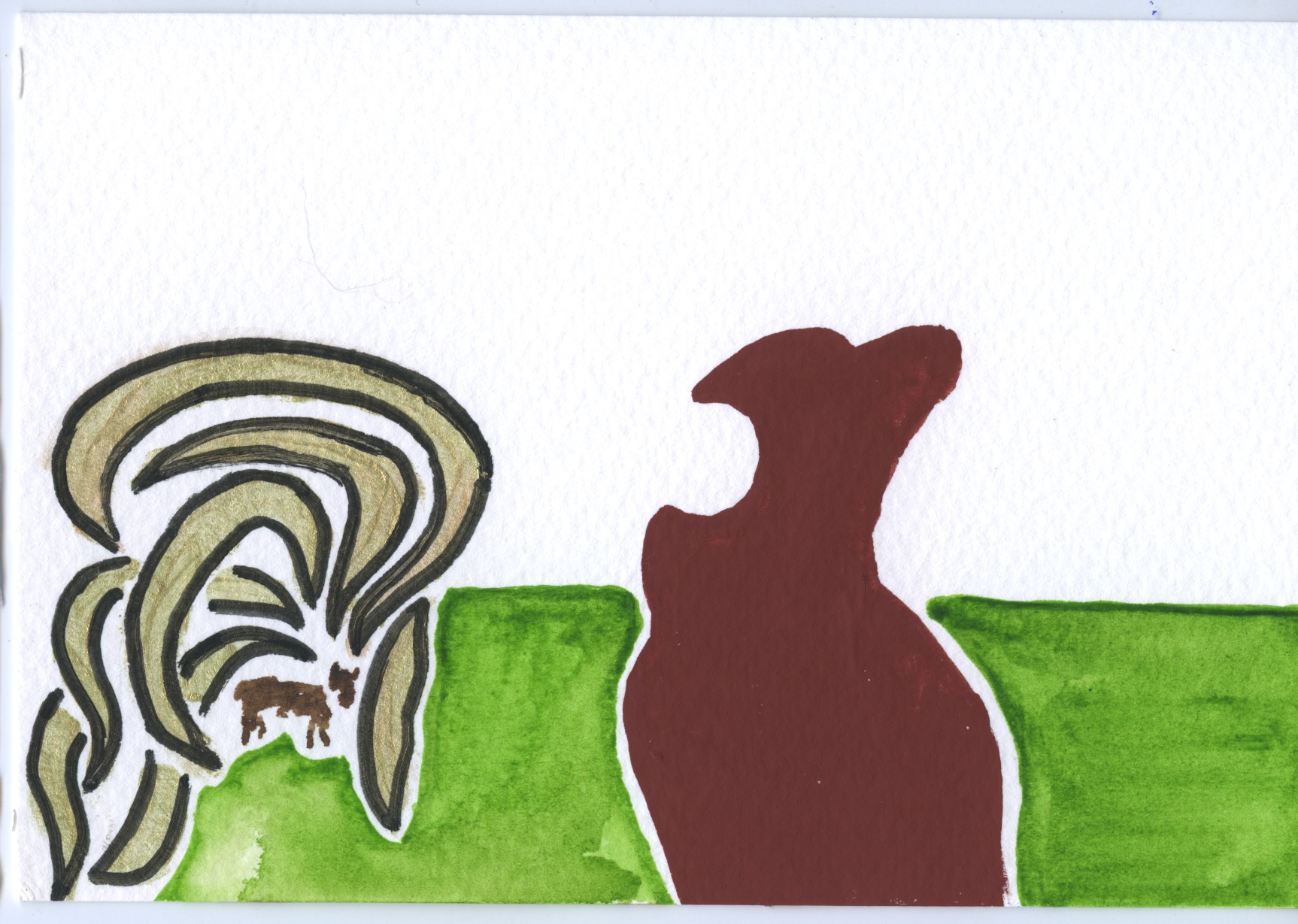
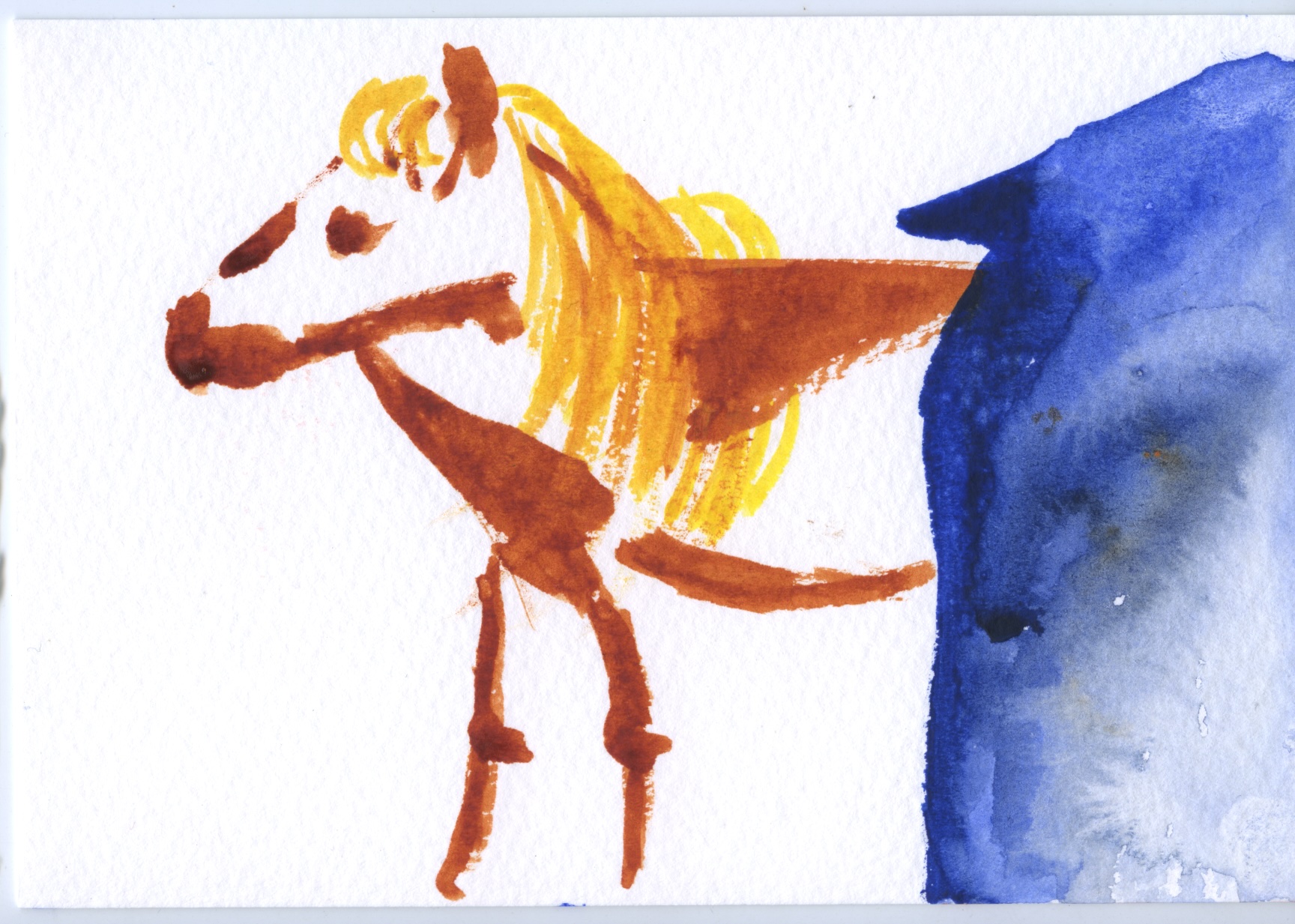
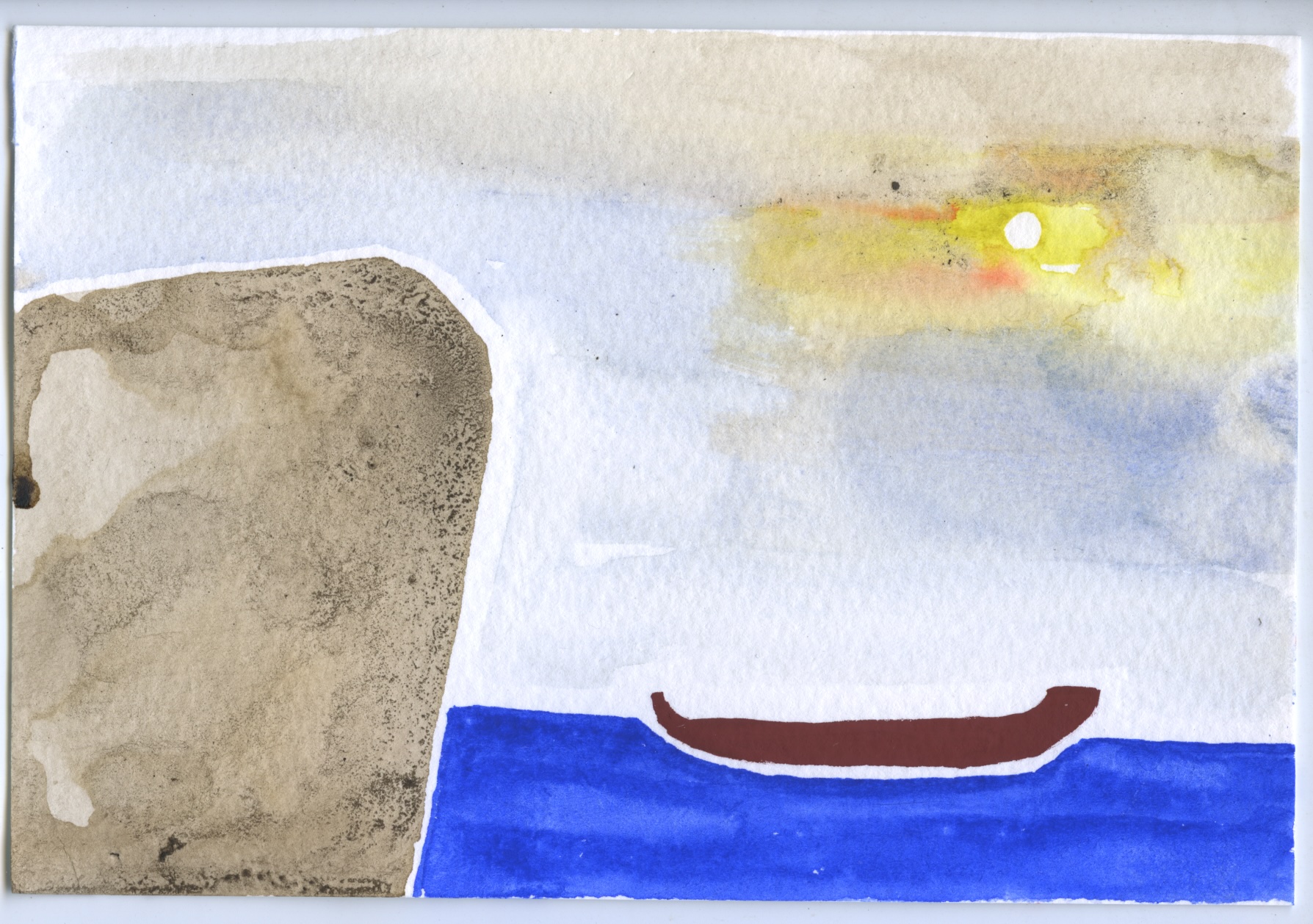
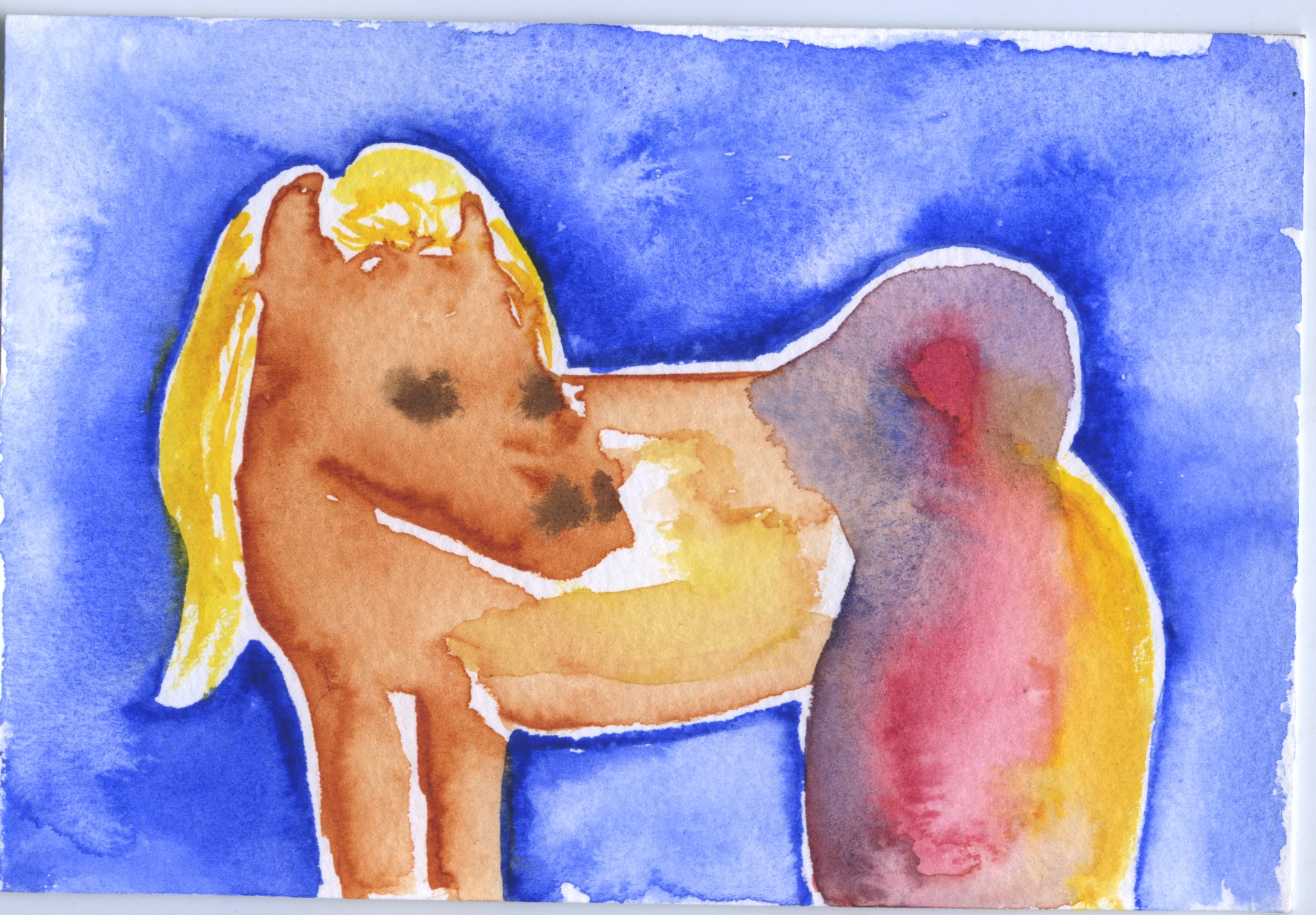
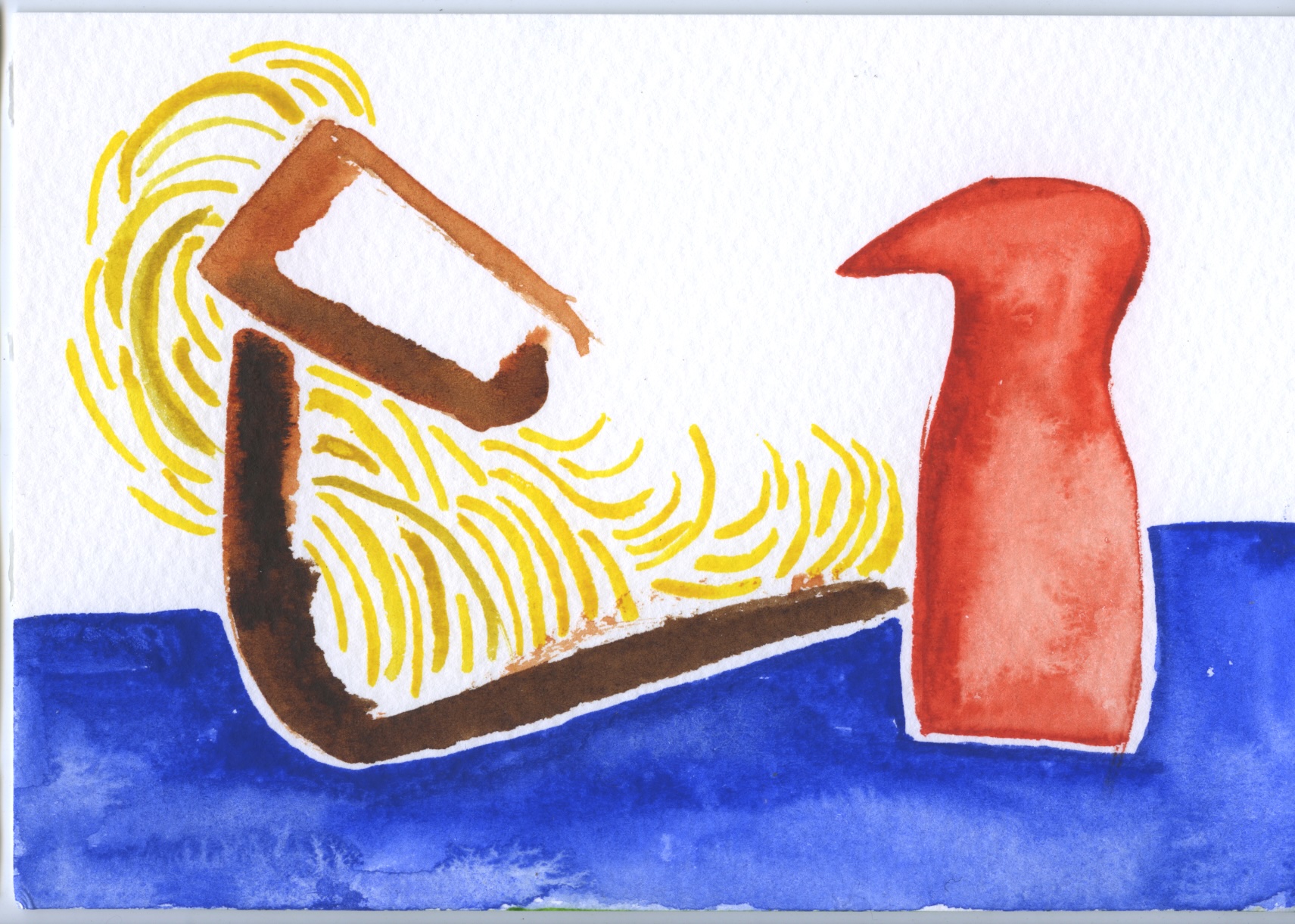
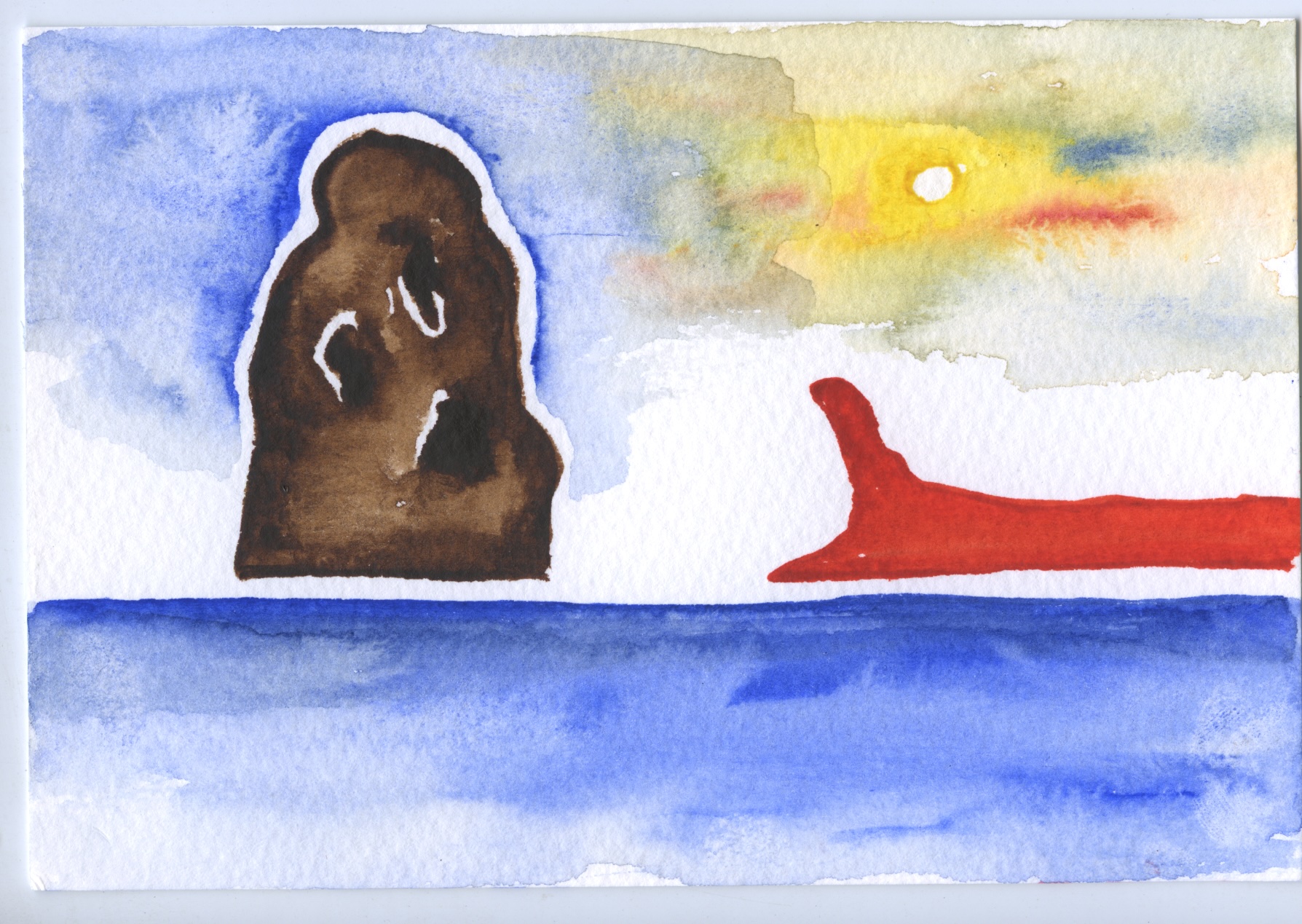
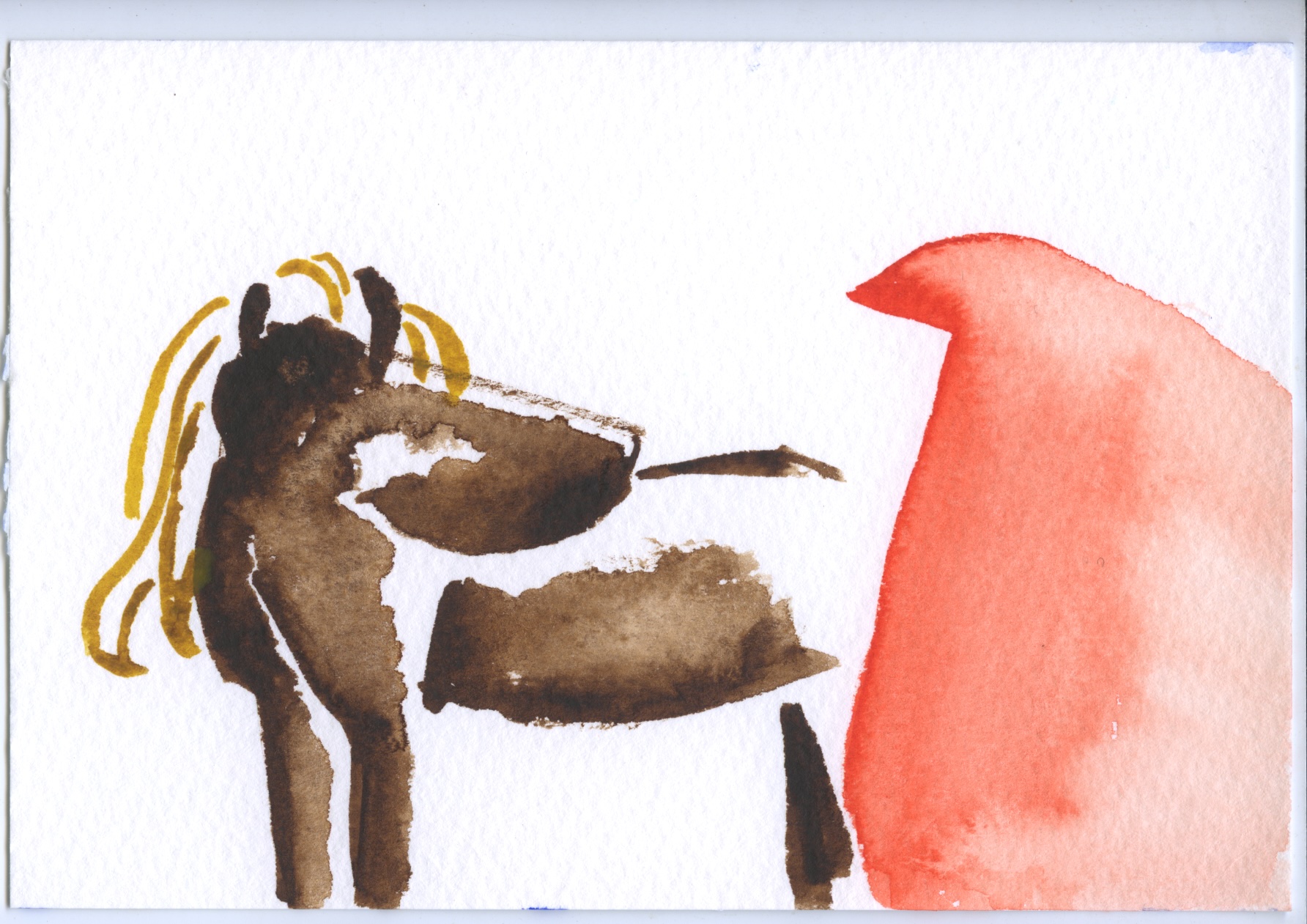
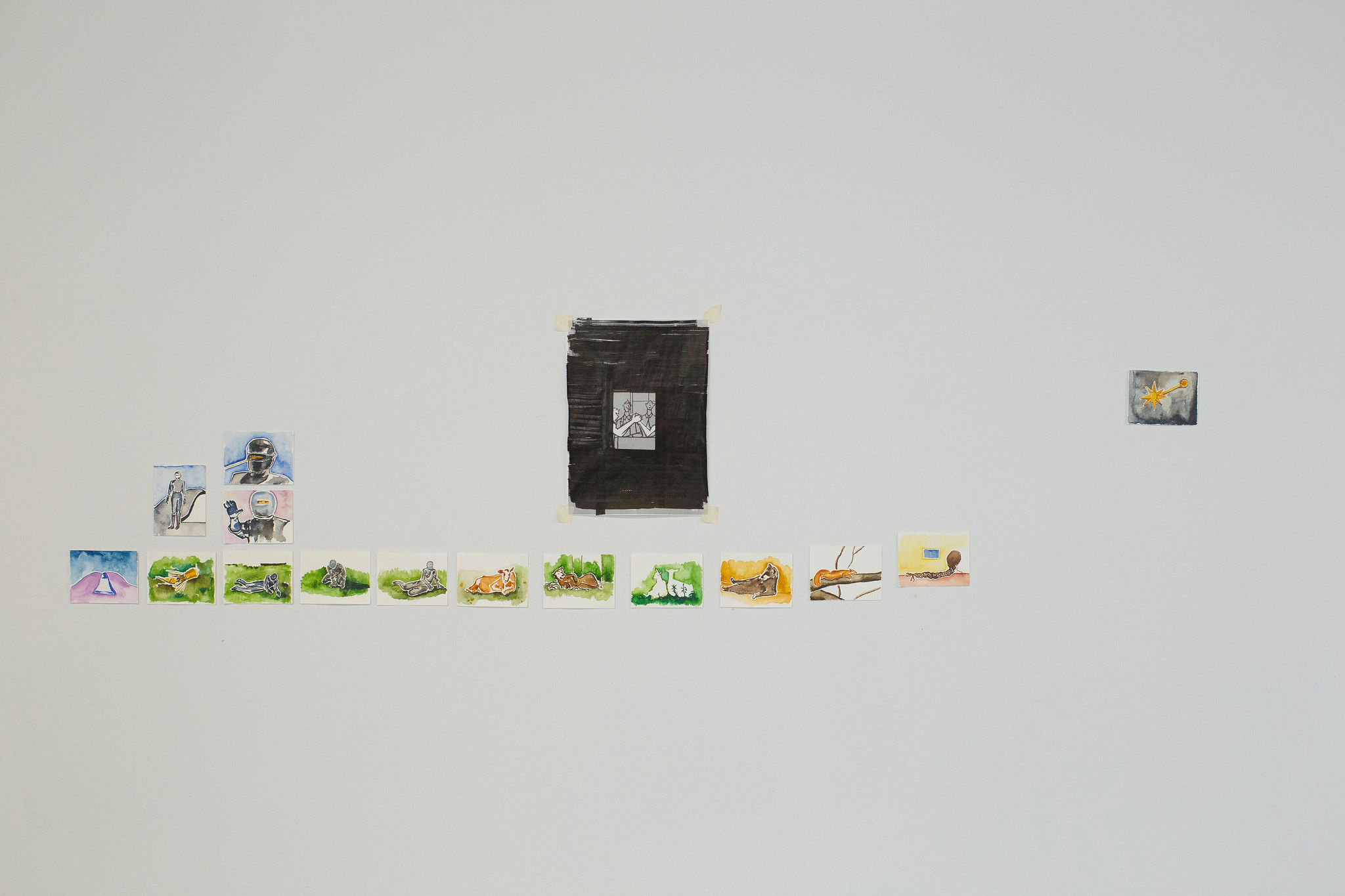
Conversation With The Horse is a story that takes place in both the past and the present, in which a woman lives with a being who is a lover, a traitor, and a horse at the same time—the story loops during this relationship. The Horse is a distant cohabitant, cruel in its indifference. Conversation With The Horse was produced to comprehend a promise broken in silence. 12 watercolor drawings of different renditions of the encounter between the protagonist and The Horse accompany the narrative.
I am living with a spy, she thought. A spy. This might not be entirely horrible if she is aware of the fact that she was actually living with a spy. She could choose to manipulate the spy. She could try to control to whom and about what the spy reveals information, resorting to deception. However, what if she loves the spy? Would her heart carry the load of being a fraud?
I am living with a cat, she thought. A cat. This is definitely a good thing. The cat does not judge. The cat would curl up and sleep beside her, but only if the cat wishes to do so. The cat does not scheme. The cat can be deceitful, without feeling shame.
I am living with a begonia, she thought. What kind of a thing is this? Begonia is beautiful but does it love me? For instance, would it feel sad for me if I suffered? Or would it be indifferent, look out the window and watch the streets? I cannot know. Begonia is beautiful, and it does not tell me how it feels. I presume it doesn’t love me.
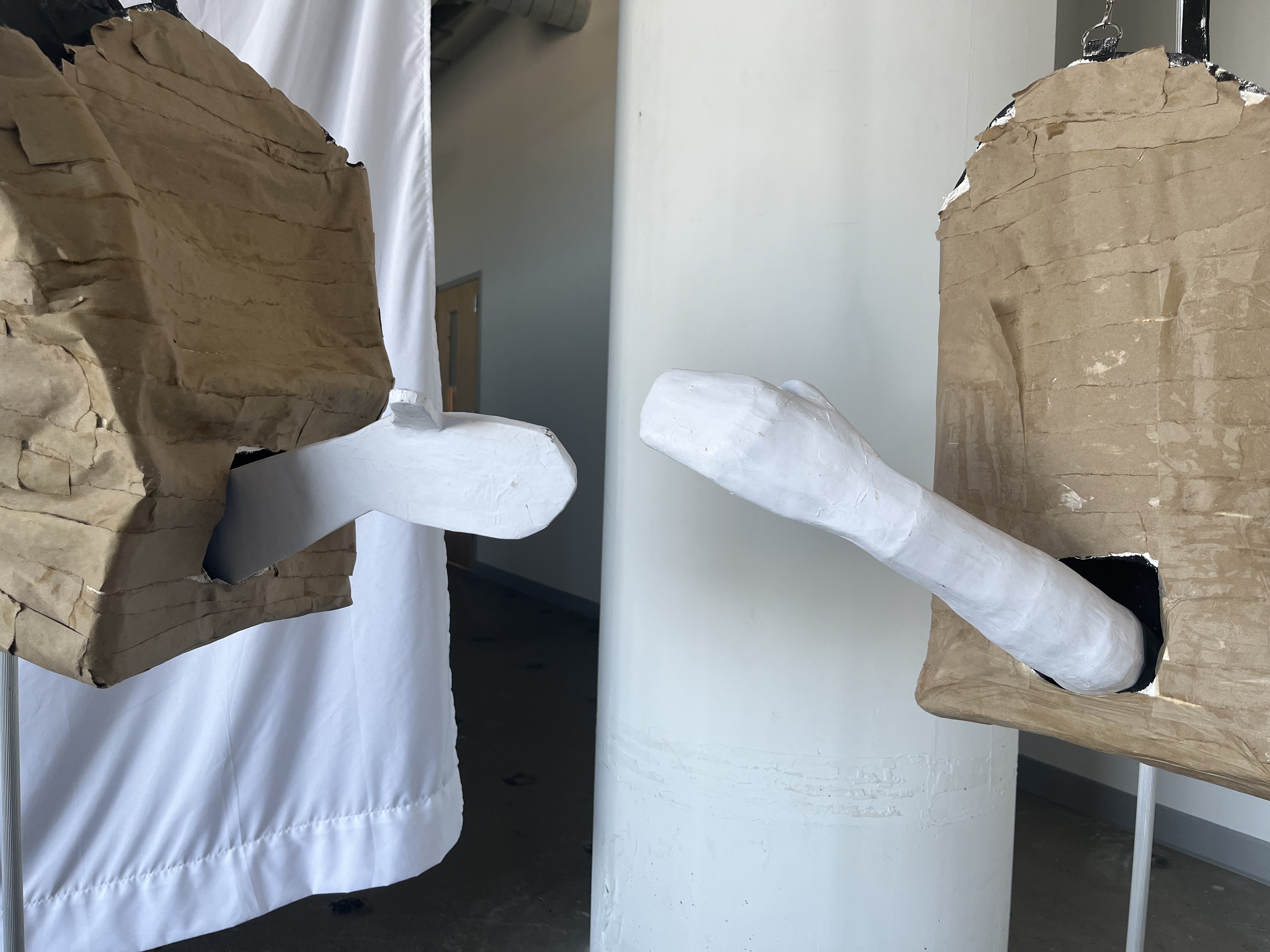
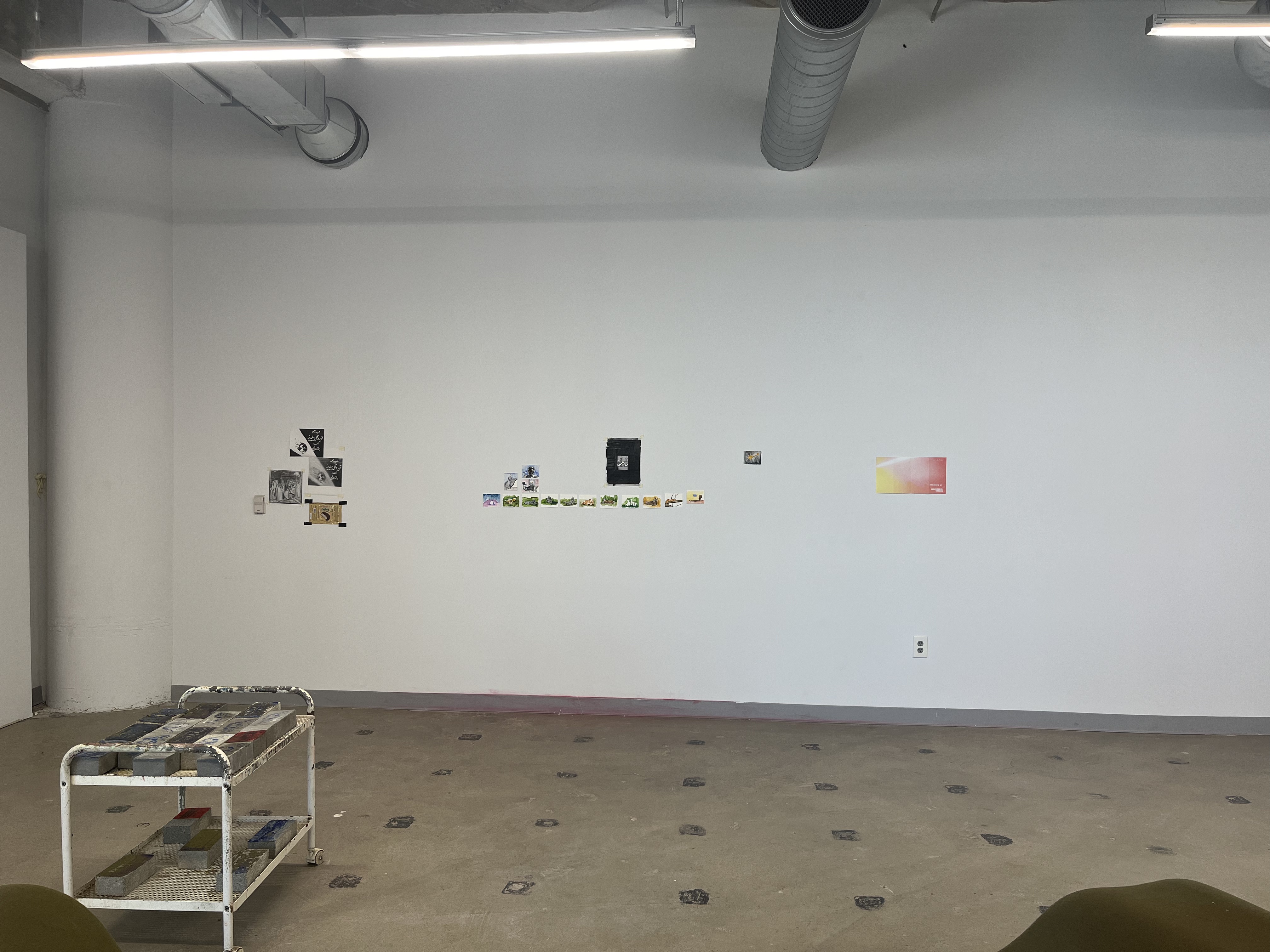
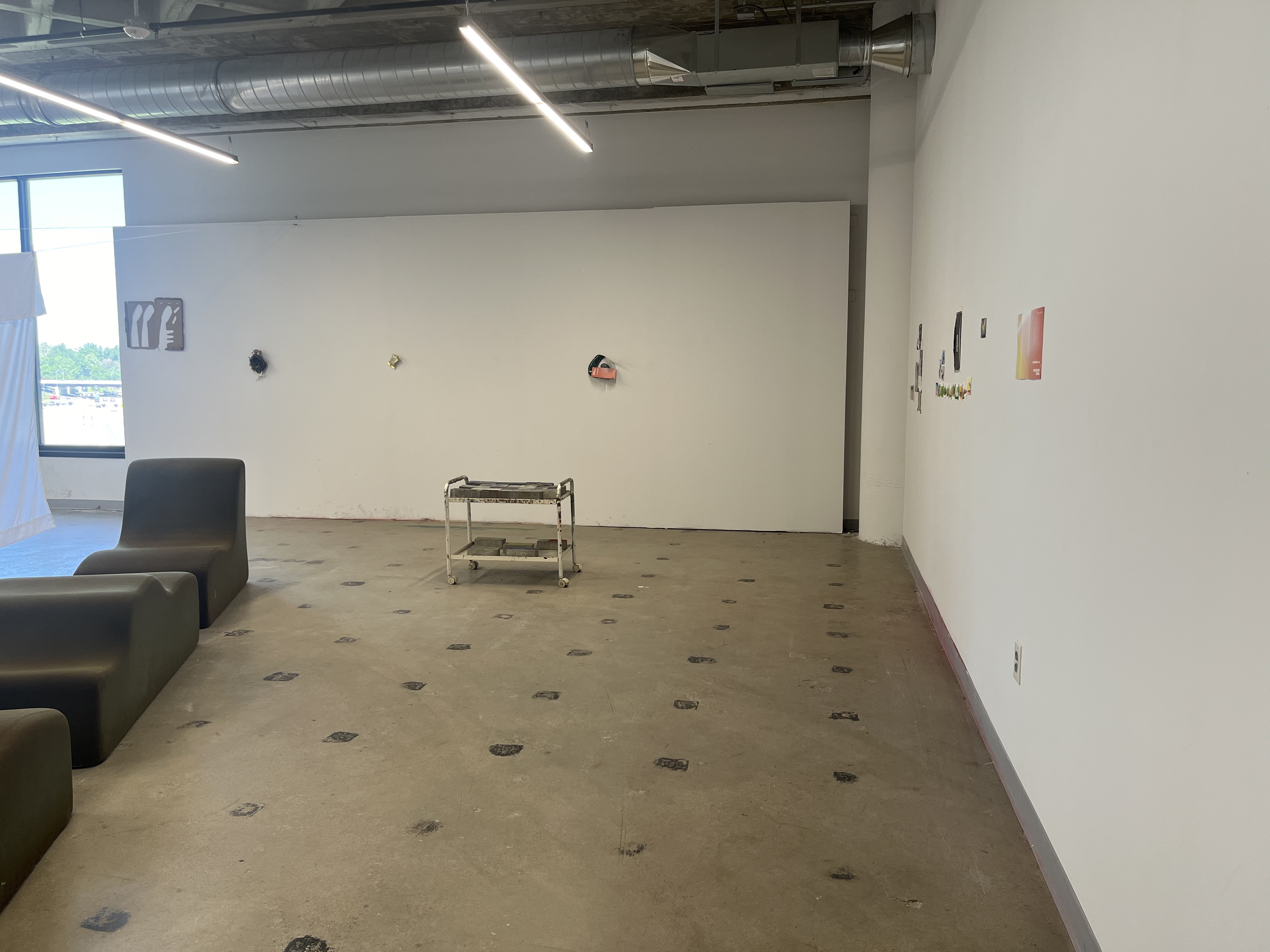
Using the Turkish word for cow – inek – as a case study, “How to Deal With Growing Up & Forgetting Things”explores the formation of an enemy, a nemesis, or a bully (depending on the context) through the embodiment of violence in language. The slang meaning of inek as a hard-working student emerged during the 1930s by university students organizing a politically critical spring festival. The term became popular through a fictional character, İnek Şaban (Şaban the cow), in a young adult fiction series Hababam Sınıfı (The Chaos Class). The author Rıfat Ilgaz intended it to be a satire of the Turkish educational system at the time; however, the intense bullying disguised as teenage male mischief was interpreted as comedy by the public when the books were adapted into film. The investigation focuses on the traces of “bullying disguised as teenage male mischief” in various contexts outside the academic institutions such as celestial counterparts with apparitions of Halley’s Comet, friendly and wise humanoid extraterrestrial Klaatu, hierarchy created between animal and human individuals by the construction of the category of farm animals as well as personal histories by owning an uncalled for nickname given to me by my own teenage male mischievous bully, “the mustache.” The installation consists of a pamphlet, several objects and images, drawings of animals and aliens, a sculpture made of feed bags, and a big mustache.
How to Deal With Growing Up & Forgetting Things was produced with the support of Alex Brown Foundation at Mainframe Studios #455 between April and June 2024.
A situation that suggests hospitality is shared by three parties; the host, the guest, and the witness. A state of absolute hospitality, in which the host trusts the guest without any question or boundaries is quite unlikely, let alone non-conflictual even if possible. If at one point in the timeline, the host and the guest would fail to accommodate each other with irreversible consequences, then would the context change from a “visit” to another? Would the two parties try to end each other once and for all?
Drawing its inspiration from Sarah Hannan’s “Why Childhood is Bad For Children” “At Your Worst” brings together texts on early-in-life definitions of friendship, loss, identity and socioeconomic class. Hannan argues individuals do not necessarily have to have “bad” experiences during childhood for it to be “bad.” It is intrinsically “bad” since the individual is extremely vulnerable during this period in the constructed society we live in. The writers and I aim to concentrate on not the “bad” but the “worst,” how we still model our lives and practices based on the experiences we have and the definitions we make in childhood. The texts by Aslı Seven, Gülce Özkara, Nihan Somay, Zeynep Öz and me are accompanied by documentation collages of some sculptures in “Your Worst Friend”.
“At Your Worst” is published to accompany the exhibition “Your Worst Friend” realized as a partnership project of Artistes en residence and La Tôlerie with the support of SAHA Association.
“At Your Worst” is available at BAS, Glasgow Zine Library, Museo Reina Sofia Library, SALT Araştırma, Stedelijk Museum Library, Women’s Art Library and Zines of the zone.
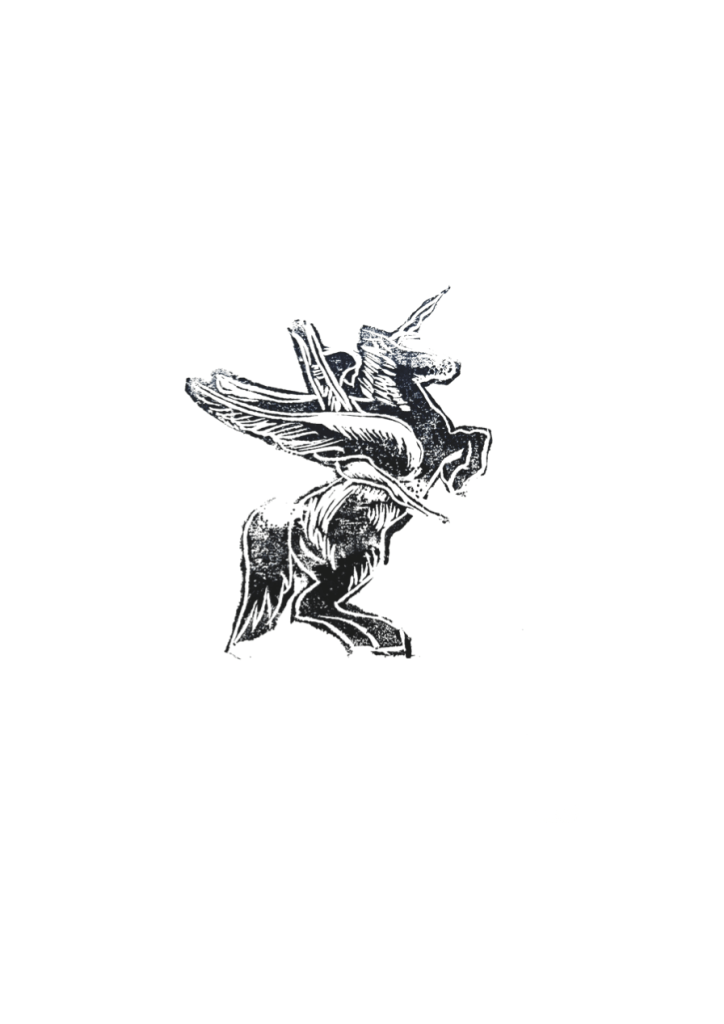
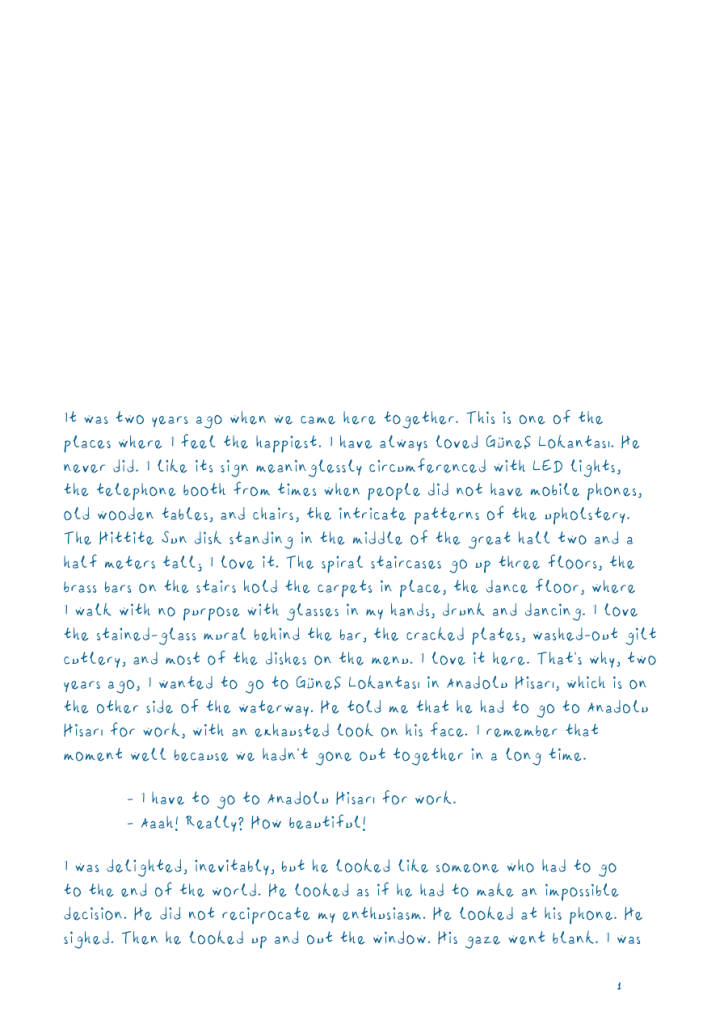
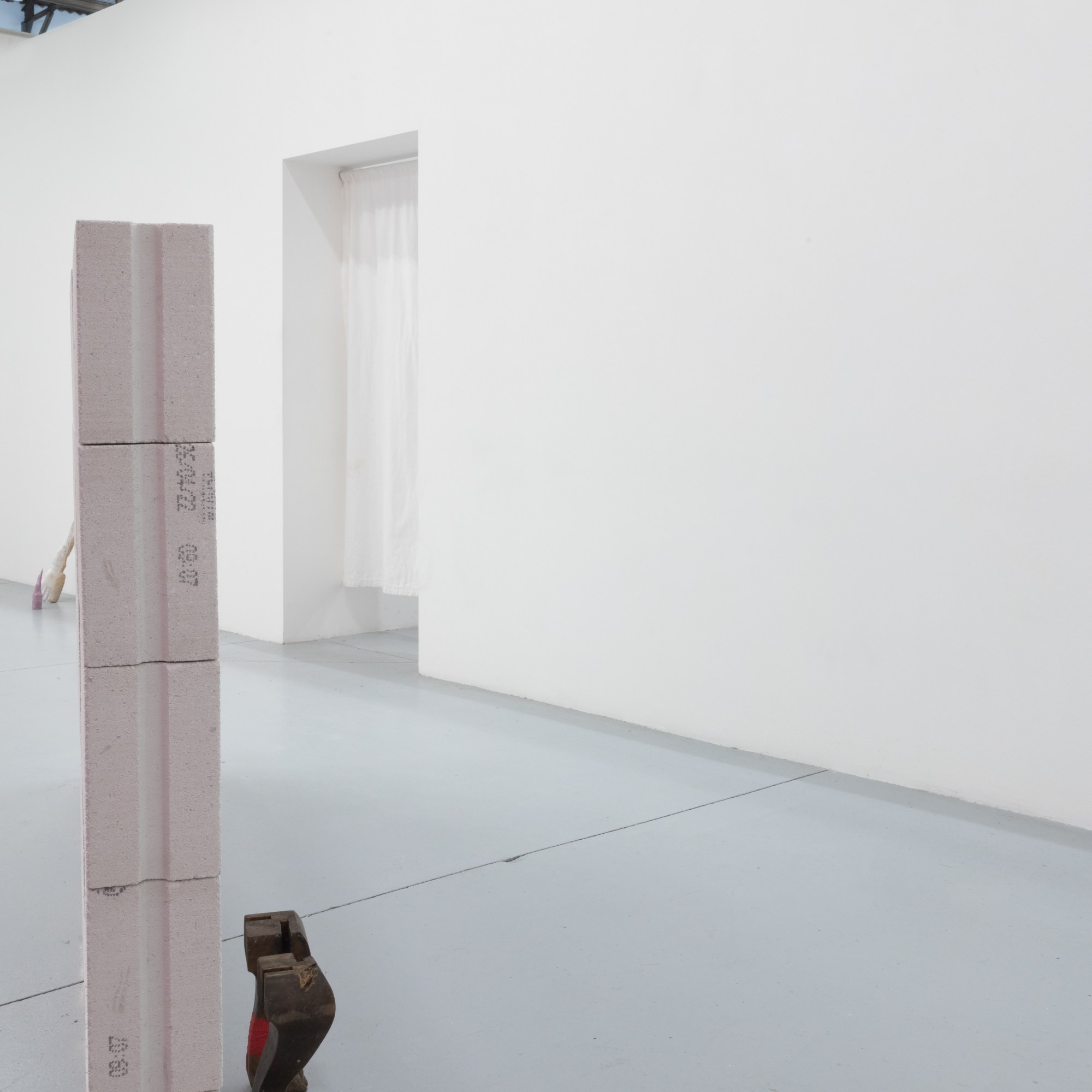
“ Your Worst Friend” is an exhibition consisting of five sculptures, a video installation, and two publications, delving into quasi-phenomenological questions: Who do we want to be friends with? How do past experiences (namely from childhood) shape our definition of an intimate relationship? And how do we part ways with each other? Your Worst Friend explores aspects of friendship that conventionally have negative connotations such as resentment, envy, and rage. For this project, I propose a narrative on the reemergence of a forgotten imaginary friend from childhood, a white Turkish-American unicorn called Jonathan Hüsnü, who knows everything about the protagonist, including things one prefers not to be reminded of.
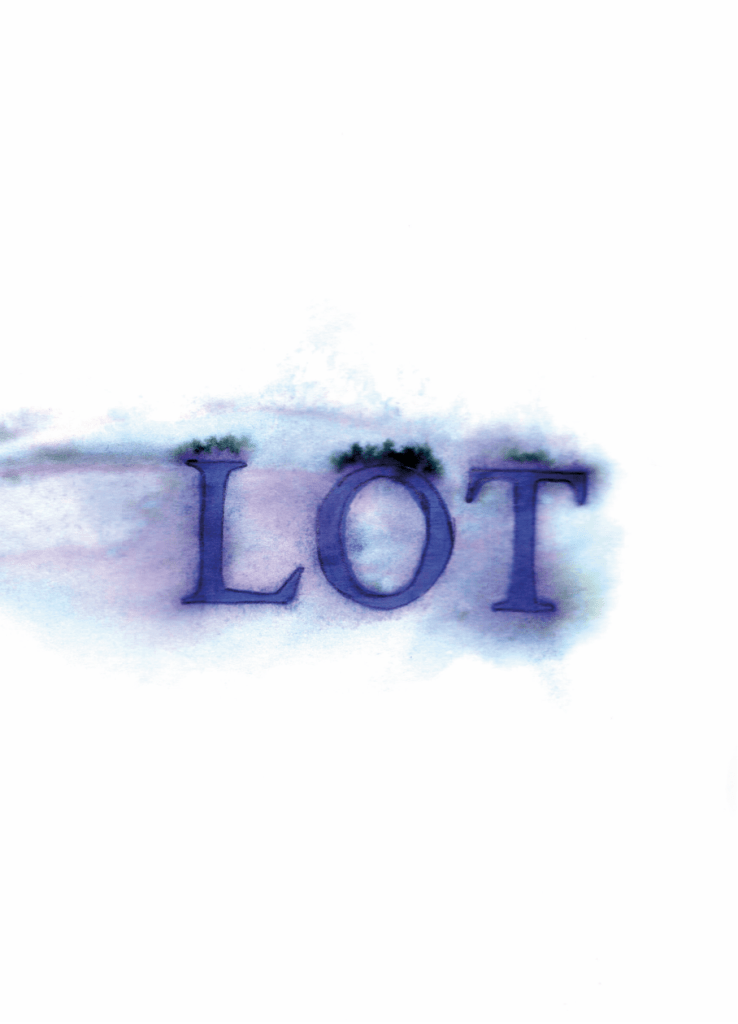
The publication related to the topics covered in the exhibition, “At Your Worst,” was formed with contributions from Aslı Seven, Gülce Özkara, Nihan Somay, and Zeynep Öz, in addition to the story of Jonathan Hüsnü. The second publication in the exhibition, “LOT,” is the narrative I worked on during the residency process at Artistes en résidence in the years 2020-2021.
In The Connected, which I wrote the script of and co-directed with Onur Gökmen, we focus on how the burden of Turkish identity that was constructed with the late modernity starting in 1850s and continues with the foundation of the republic, echoes in today’s younger generation.
Our protagonists are three young adults with vulnerable dispositions. They encounter six different antagonists played by the same actress in dream-like spaces with consistent grotesque performances. Their confidence is shaken and they go to a field where they are awaited by an unfamiliar object that they call yatır (a tomb, where a holy saint lies). As they get drunk, they are possessed by different characters that are inscribed in the narratives of the Turkish nation state in a trance-like predicament.
The Connected is commissioned by Sharjah Art Foundation; the video presented as part of the exhibition titled Belkıs Hanım and Onur Efendi, conceived as a collaboration with Onur Gökmen is co-supported by SAHA and SALT.
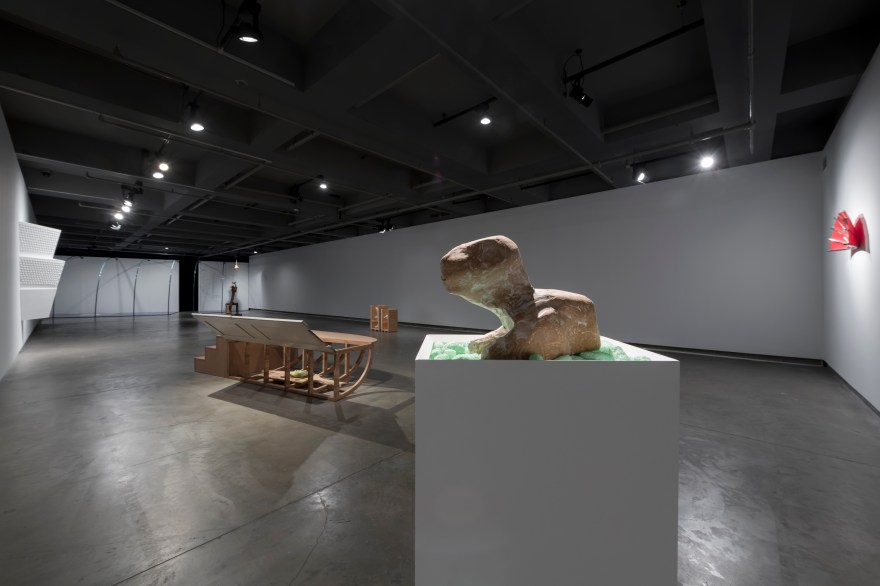
The exhibition “Belkıs Hanım and Onur Efendi” revolves around the identity of an “intellectual” that emerged with the process of modernization, and the turbulent states of mind that it brought about. In this exhibition Onur Gökmen and I questioned a term that we coined “the fragility of Turkish intelligentsia.” We chose Osman Hamdi Bey as the prototype of the Turkish intellectual, an ideal that formed in times that can be considered as the late-modernity. Osman Hamdi Bey, an aristocrat, an artist, an archeology enthusiast and finally a bureaucrat, formed the first cultural institutions that take after their western equivalents, the first museum, the first art school. The method of the formation of the institutions (modeling them after western ones) created a pattern for constant comparison in the coming generations.
Belkıs Hanım and Onur Efendi, an exhibition conceived as a collaboration with Onur Gökmen with a video and 9 sculptures, opened in November 2021 at SALT Galata with the support of SAHA and SALT.
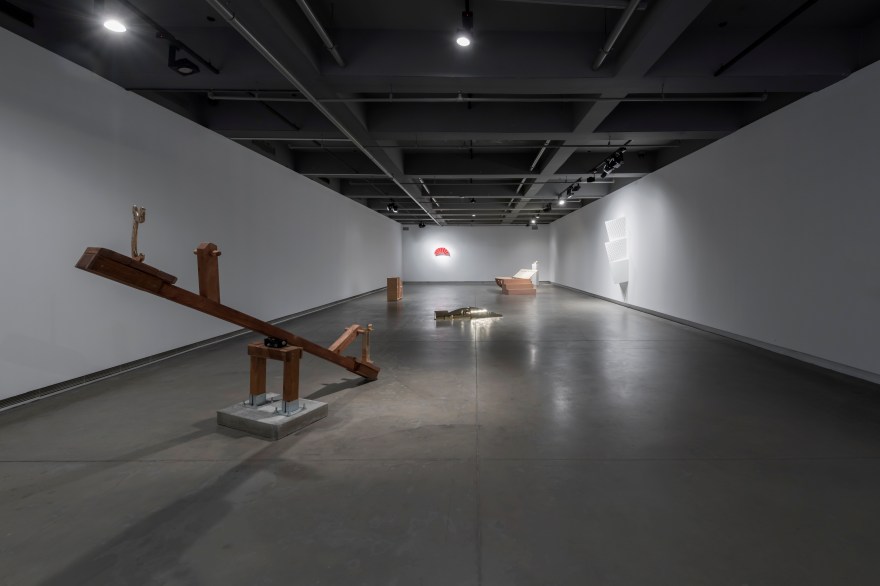
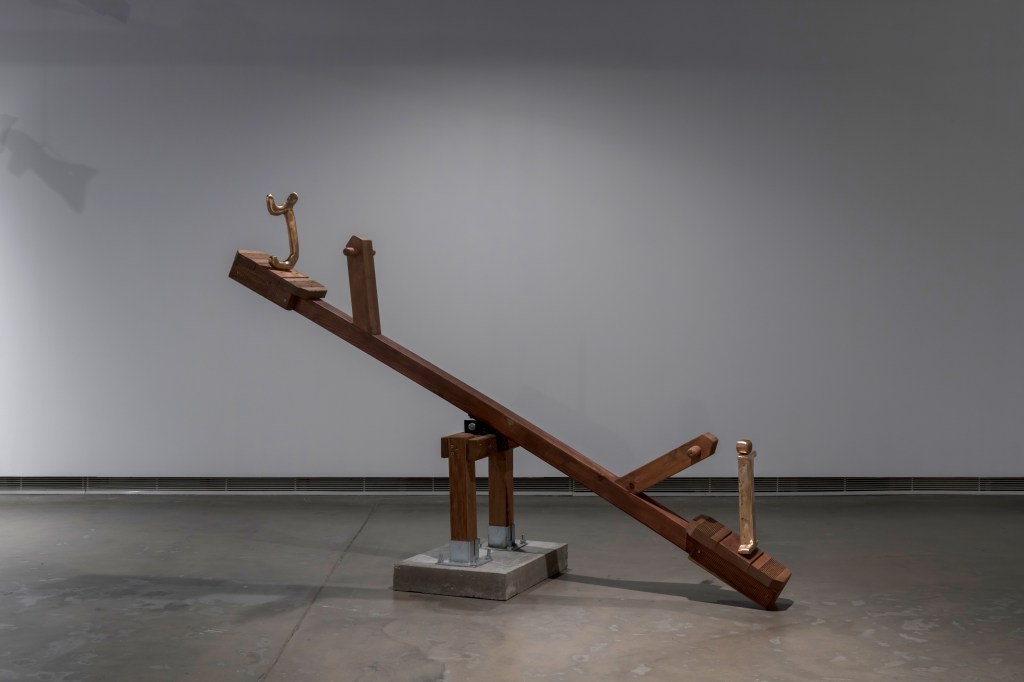
Si-Saw
“Si-Saw” is a sculpture about how we decide to represent ourselves and to which audience. It takes its inspiration from the two different spellings of Osman Hamdi bey’s name. Osman Hamdi Bey, an Ottoman aristocrat who studied in Paris for a while, used to keep diaries in French and signed his name as “Osman Hamdy” in legal documents. This was the way to spell his name in the Latin alphabet for French readers to pronounce his name correctly. In his lifetime in his homeland Turkish was written in a Turkish adaptation of the Arabic script. In 1928 with the Alphabet Reform which adapted the Latin alphabet to the phonetics of Turkish language, the phonetically assigned letter for the last letter of his name changed so in the contemporary documents he is “Osman Hamdi.”
Revolt Against the Sun
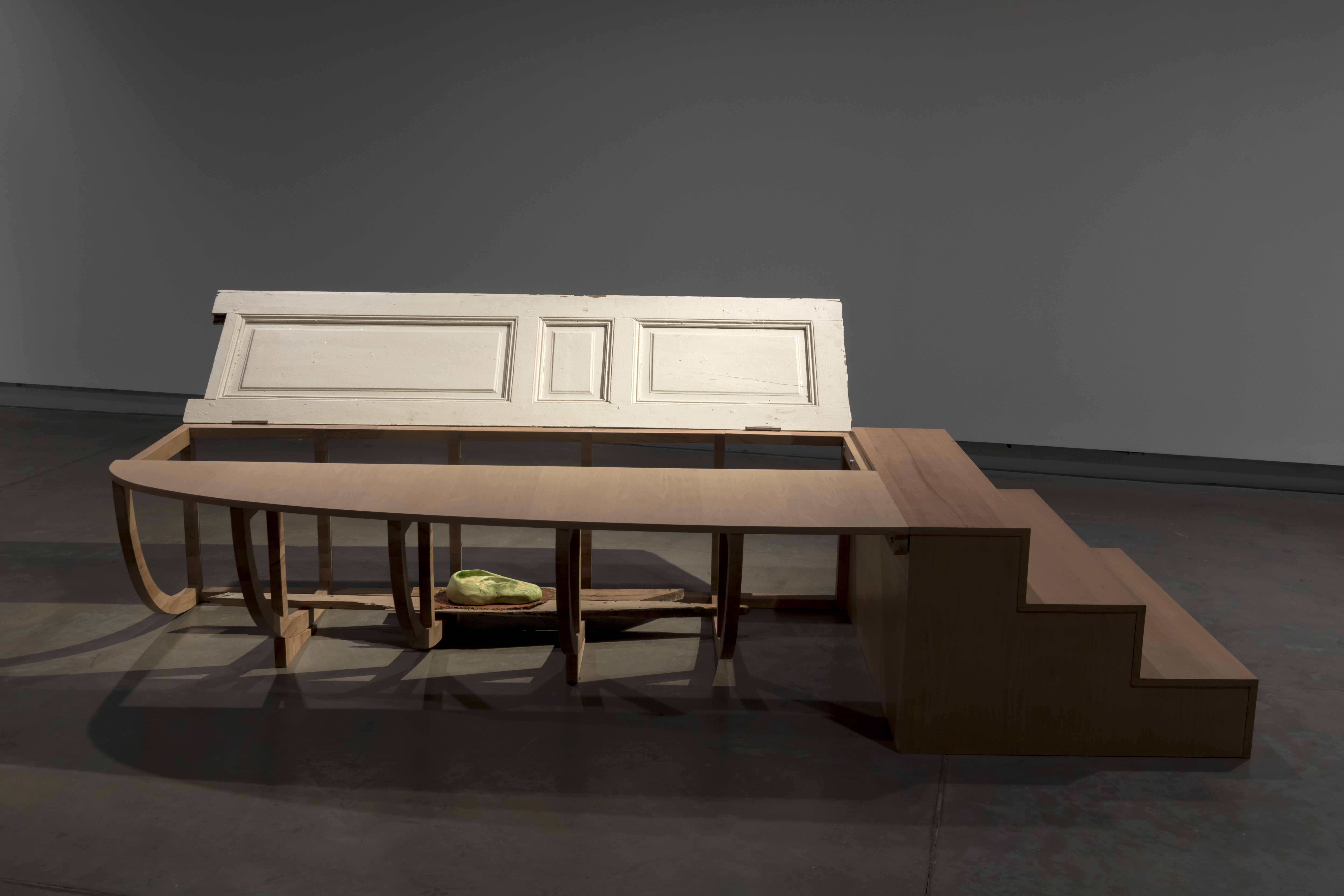

When Osman Hamdi discovered the sarcophagus of Alexander in Sidon, he was aware he was facing a great history. He deemed it his duty to take it to his hometown İstanbul. Otherwise, the European institutions who had heard of the news of the discovery might have come and claimed it theirs. So, this marvelous find was claimed by Osman Hamdi with the justification that it was found in the Ottoman province. The artifact was heavy, and it was difficult even to transport it to the port. Rumor has it that many ship captains denied boarding the sarcophagus. The rumor does not explain their reasoning, maybe because it was too heavy or they did not just want it gone. The same rumor goes on, stating Osman Hamdi said, “Listen to me and listen to me good! I represent the Ottoman State!” and tied himself to the sarcophagus, demanding to be taken to Istanbul. The sarcophagus of Alexander is still on display in İstanbul Archeological Museums.
“Revolt Against the Sun”, also the title of the 1947 poem by Nazik Aal-Mala’ika, was one of the 9 sculptures in the exhibition Belkıs Hanım and Onur Efendi at SALT Galata.
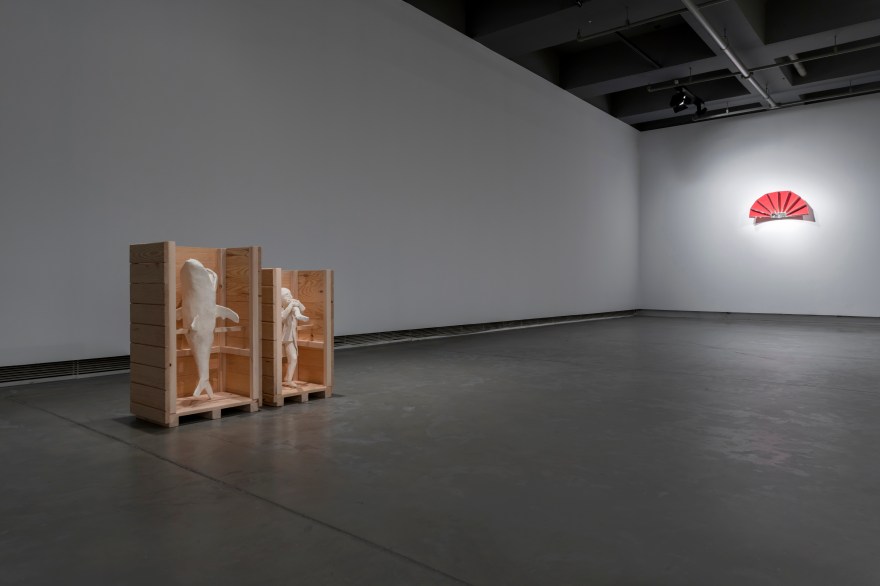
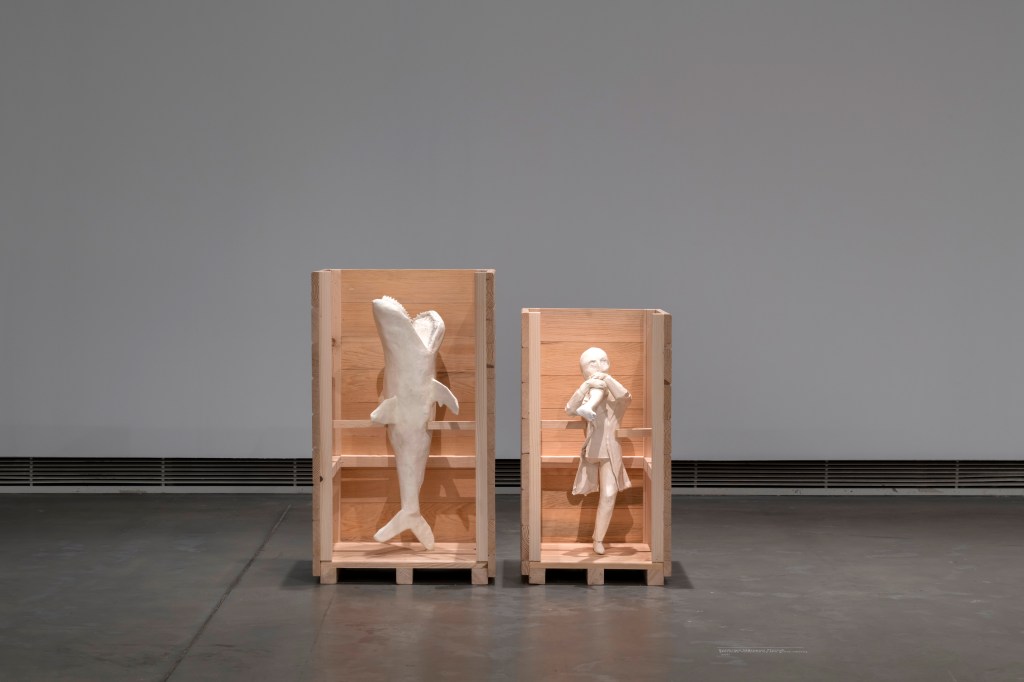
Hamdy Attacked by The Great White
Osman Hamdi Bey, the son of an Ottoman pasha, was sent to Paris to study law but his heart was in the arts. He attended painting classes of orientalist painters. He was a self-proclaimed archeologist and he later became the founder of İstanbul Archeological museums. Since the time he was a young man, this Ottoman aristocrat and probably the prototype of the Ottoman renaissance man, was exposed to, aspired to and emulated with his western counterparts, represented in this piece with The Great White.
The kind of rivalry lasted a lifetime and led to grand and tragic circumstances. Foundation of Turkish cultural institutions, Ottoman orientalism and metaphorically taking a severed limb from the entity who had severed it and consuming it yourself because otherwise it would have been a complete loss.
How Is An Armistice Different From A Surrender?
Osman Hamdi, the son of an Ottoman pasha, was sent to Paris to study law; however his heart was in the arts. He attended classes by orientalist painters. He was also a self-proclaimed archeologist and would be the founder of İstanbul Archeological Museums. The photograph inspired “How Is An Armistice Different From A Surrender?” was taken by anthropologist/explorer Felix von Luschan, during their expedition in Mount Nemrud. Osman Hamdi and Von Luschan were photographing “interesting” looking Kurdish people, locals of the territory, as specimens of anthropological study. Von Luschan had taken this a step further, photographing individuals positioning them as subjects of an anthropometric study. Ironically, one of his subjects was Osman Hamdi, who considered himself no different than his European companion.Von Luschan would later become the owner of the very first anthropology chair at Berlin’s Frederick William University (now the Humboldt University of Berlin). But his most infamous contribution to the field was the creation of von Luschan’s chromatic scale, a method of classifying skin color using 36 glass tiles, each more opaque than the last.
Hittite Sun
“The Austrian linguist Kvergiç, when he stood before Atatürk to share his thoughts on the Turkish language, said:
– Your Excellency! The origin of all languages is Turkish. The first language is Turkish. The first person to start speaking spoke Turkish. This person, your Excellency, came out of a cave, saw the sun, squinted his eyes, looked again, and said ‘Aağ.’ ” The Actor Who Played Onur in the Connected, expressing his thoughts on speaking about emotions.
After the Hittite Sun Disc was discovered in Çorum, Alacahöyük, it established the connection between the secular Republic of Turkey and pre-Islamic civilizations of Anatolia, even becoming a symbol of Ankara. Although these sun discs are commonly associated with the Hittites, they were actually works of Hattis, an ancient Anatolian civilization. It is believed that they had ceremonial functions. ‘Hitit Güneşi’ displayed in the Belkıs Hanım and Onur Efendi Exhibition was a disassembled, chromium-plated, and reupholstered spherical sun shade found in the backyard of the studio.
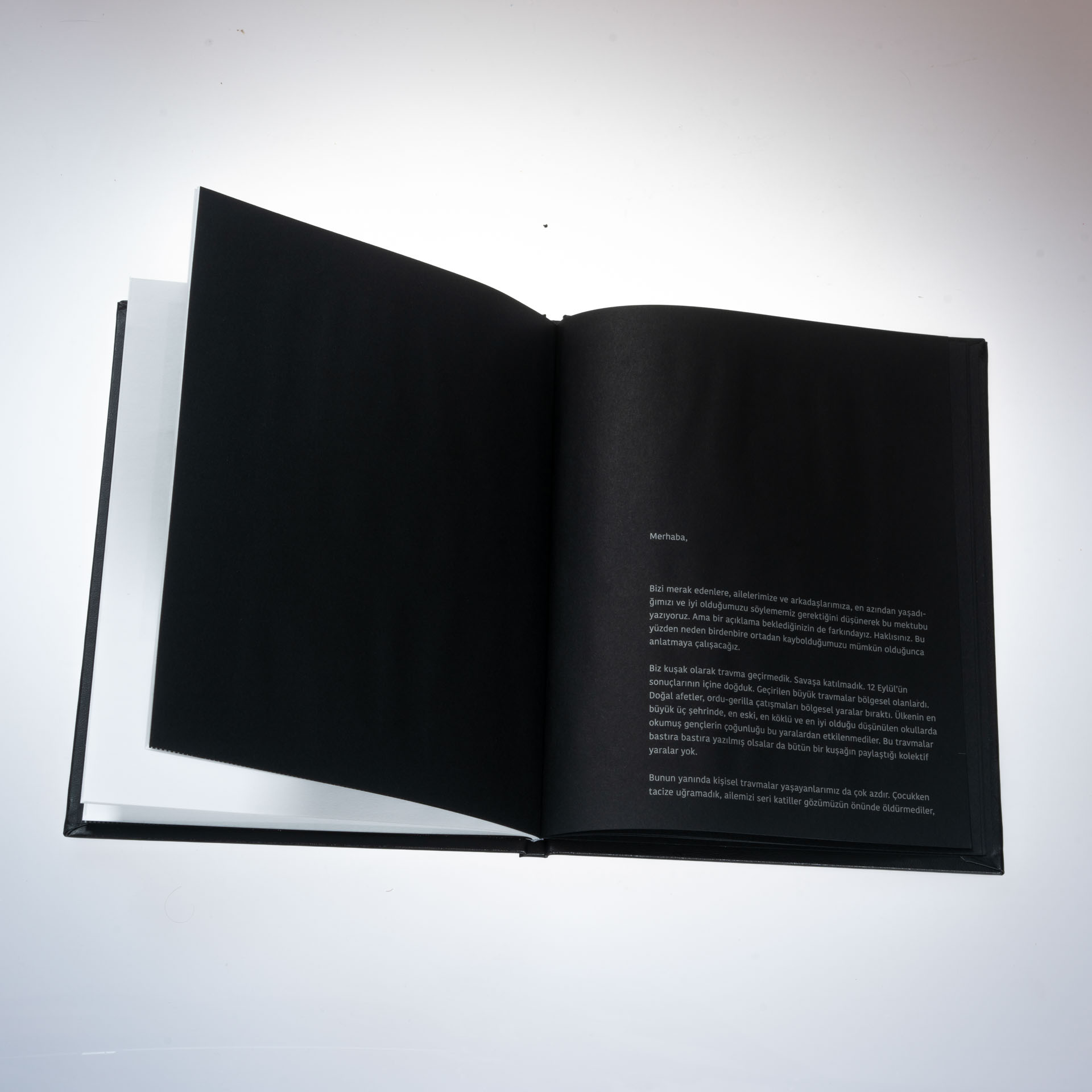
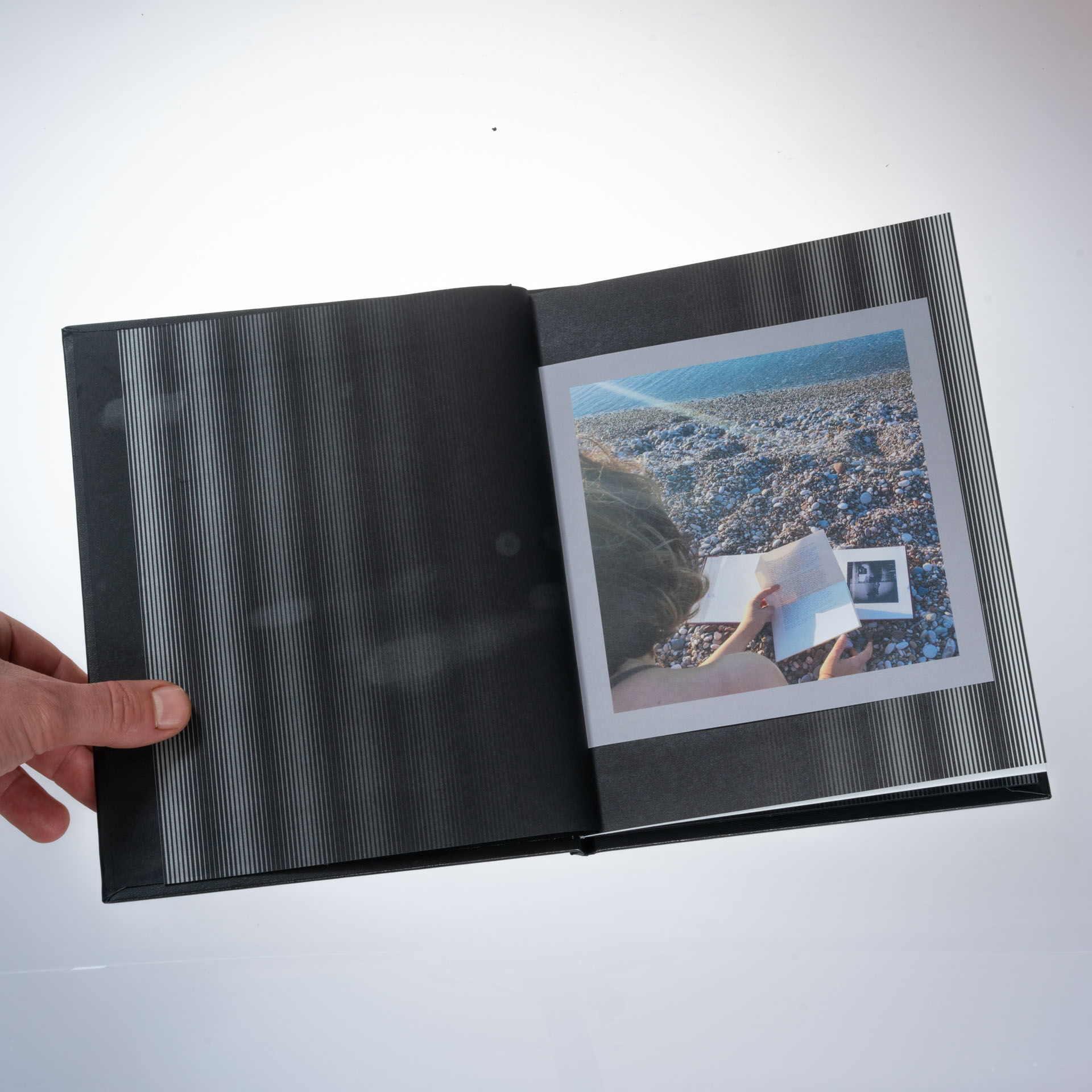
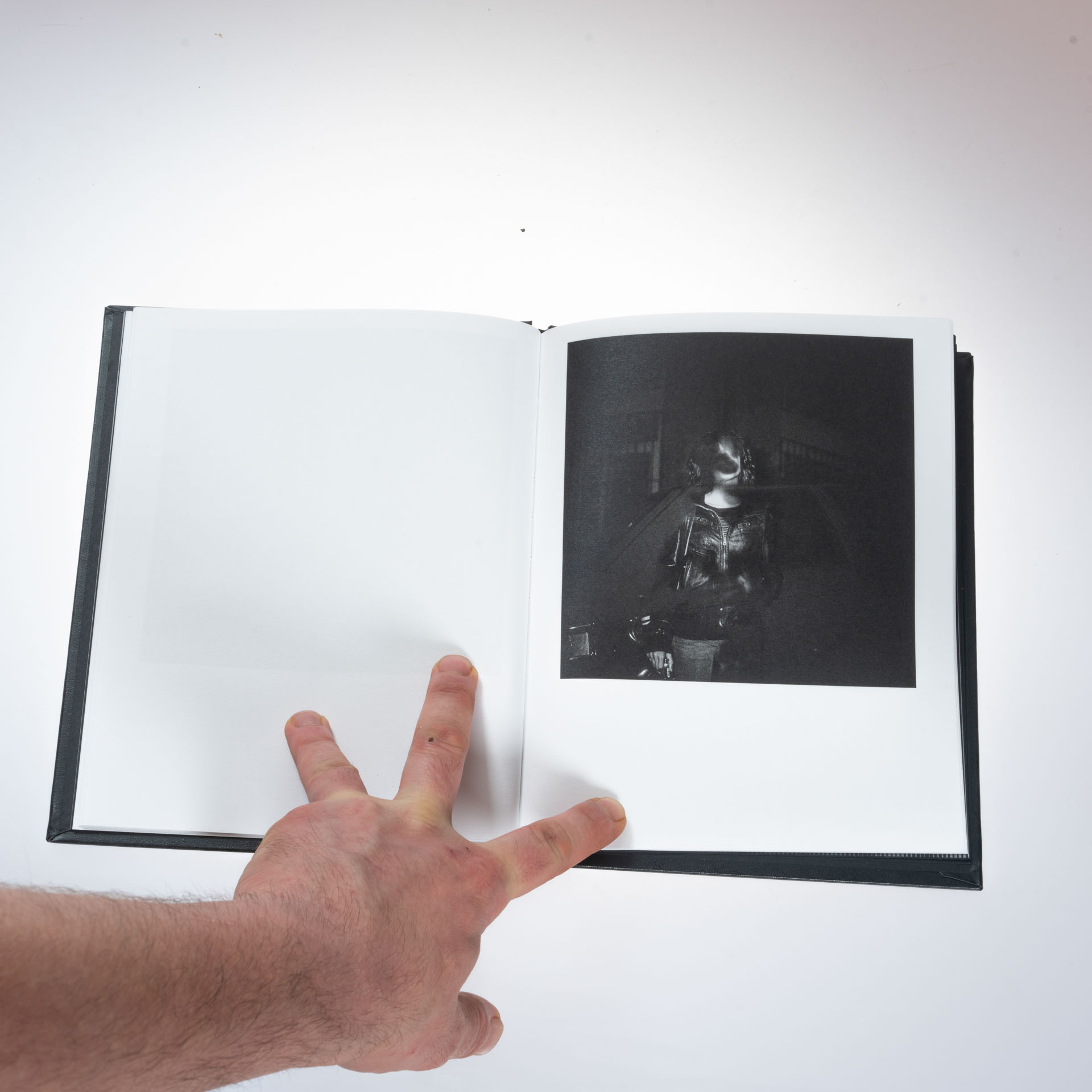
“Those Who Left” is a photobook and a speculative story of angst. The black and white portraits of young individuals with faces blended into the background are accompanied by a letter by the subjects of the images. In the letter said subjects with many others who have left their homes, friends and families make a declaration to explain their disappearance saying that they are collectively in search of a new life without the identities that are assigned to them. This narrative is related to Turkey’s post 1980 (coup d’etat) generation’s yearning to be a part of a transformation and a response to the apathy that is associated with them by the older generations.
This second edition of the publication was realized in English and Turkish by Onagöre in İstanbul with a revised design in 2021 whereas the first edition was self published and was able to meet a limited audience.
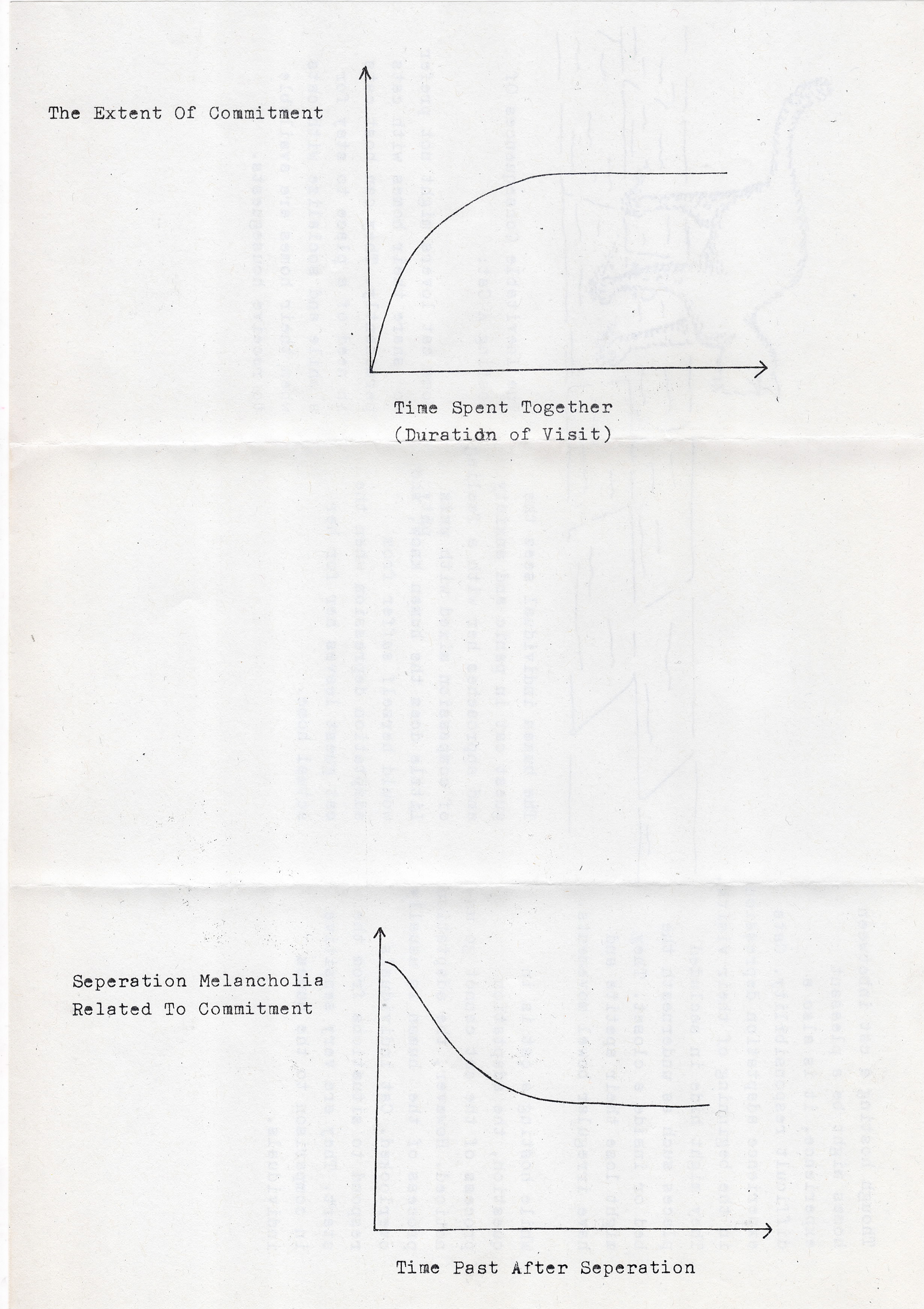
Grief work, initially defined by Freud, is redescribed by Derrida as a ‘work of mourning’ that requires an internal idealization of the voice and the body of the lost other, “ideally and quasi-literally devouring them”. The Friend Constant Beyond Death is my work of mourning. It is an attempt to continue the dialogue with my father after his passing. It deals with how one carries a loved one into their practice and how the one that is gone is still present in another’s life.
I used the video camera that my father had bought when I was a kid as a device, like a portal, that enables communication between us, between this world that I live in and the hypothetical world of the deceased. I went through the footage that was taken when my father had cardiac by-pass surgery and I was a teenager going through puberty. I sat in front of the same camera to voice my father, starting with these simultaneous transformations (puberty and heart surgery). My practice as an artist is inseparable from the death of my father since it is essential for me to produce in dialogue even though the other in question is physically absent.
Here is an excerpt from The Friend Constant Beyond Death:















 fatma belkıs